

🎤 Microphones
Microphones are one of the most important tools in audiovisual production.
They convert acoustic sound waves into electrical signals that can be amplified, recorded, processed and transmitted through professional audio systems.
What is a microphone?
A microphone is a transducer that transforms sound energy into electrical energy.
When sound waves reach the microphone capsule, internal components vibrate and generate an electrical signal.
This signal travels through cables to mixers, audio equipment, recorders, transmission systems, and loudspeakers.
Dynamic microphones
Dynamic microphones are robust and widely used in live sound environments.
They use a diaphragm attached to a coil placed inside a magnetic field.
When sound waves move the diaphragm, the coil generates an electrical current.
Advantages of dynamic microphones:
- High durability.
- Good resistance to moisture.
- Excellent for loud sound sources.
- No external power required.

They are commonly used for vocals, drums, guitar amplifiers and live concerts.
Condenser microphones
Condenser microphones are more sensitive and accurate than dynamic microphones.
They use electrically charged plates to capture sound vibrations.
Most condenser microphones require phantom power (+48V) supplied by mixers or audio interfaces.

Advantages of condenser microphones:
- Higher sensitivity.
- Better high-frequency response.
- Greater detail and clarity.
- Excellent for studio recording.
They are widely used in recording studios, podcasts, voice-over work and acoustic instrument recording.
Polar patterns
A microphone polar pattern describes how sensitive the microphone is to sound coming from different directions. Common polar patterns:
Omnidirectional: captures sound from all directions.

Bidirectional: captures front and rear sound.

Cardioid: captures mainly from the front.
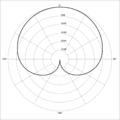
Supercardioid: narrower front pickup pattern.
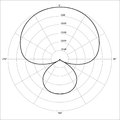
Choosing the correct polar pattern is essential for controlling feedback, background noise and room ambience.
Microphone placement
Microphone positioning has a huge impact on sound quality.
Small movements can dramatically change tone, frequency balance and room reflections.
Important factors include:
- Distance from the sound source.
- Microphone angle.
- Room acoustics.
- Background noise.
- Proximity effect.
Professional engineers often spend significant time optimizing microphone placement before recording.
Wireless microphone systems
Wireless microphones transmit audio signals using radio frequencies.
These systems are commonly used in concerts, television, theater, conferences, and public speaking events.
Correct frequency coordination is important to avoid interference and signal dropouts.
Common mistakes
- Microphones too far from the sound source, resulting in weak audio and excessive reflections in the room that generate a lot of background noise.
- Microphones too close to the sound source, causing saturation and broken audio.
- Incorrect microphone angle.